
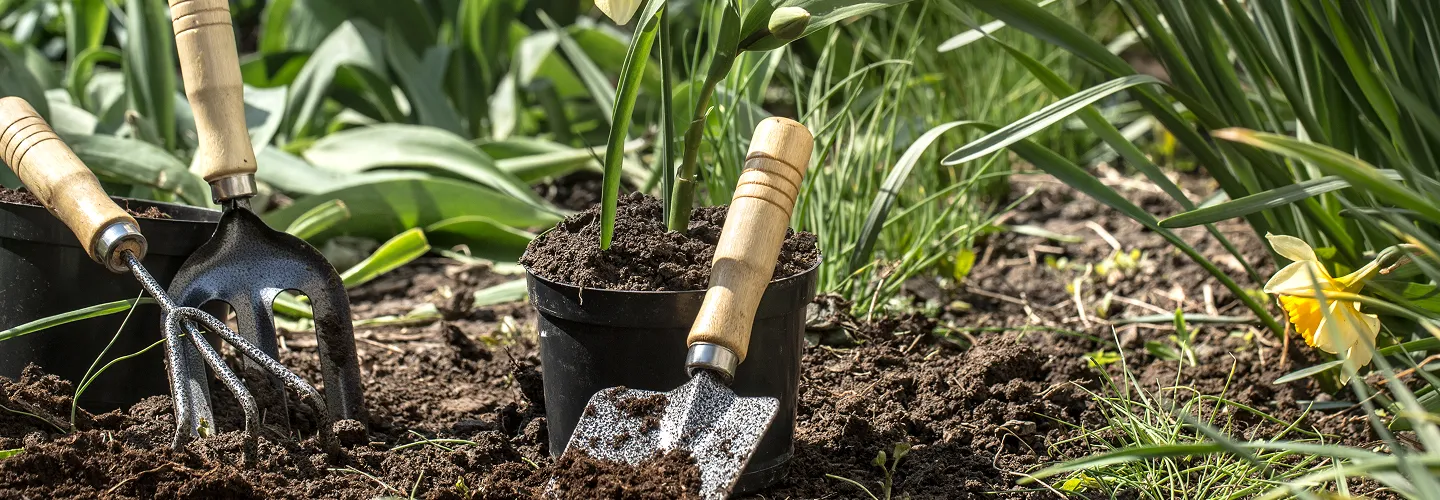
Swainsboro Flower Planting Services
Choose our flower planting services for vibrant, healthy blooms that enhance your curb appeal and bring lasting beauty to your landscape—our experienced team ensures every garden thrives with personalized care and attention.
Get a Free QuoteOur Swainsboro Landscaping & Yard Care Services
When to Schedule Flower Planting in Swainsboro, Georgia – Seasonal Guide
In Swainsboro, Georgia, timing your flower planting is crucial for vibrant, long-lasting blooms. The region’s humid subtropical climate means that spring and early fall are generally the best seasons for planting, as temperatures are moderate and rainfall is more predictable. Local neighborhoods like West Main Street and the area near Harmon Park often experience late winter frosts, so it’s wise to wait until after the average last frost date—typically in mid-March—before planting tender annuals. For perennials, early fall is ideal, giving roots time to establish before the cooler months set in.
Swainsboro’s landscape features a mix of sandy and loamy soils, with some areas prone to drought during the summer. Properties near the Ohoopee River may benefit from slightly higher humidity, while those closer to Pine Street or the city center might contend with more shade from mature trees. It’s important to consider these microclimates, as well as municipal guidelines and local watering restrictions, which you can review on the official city website, when planning your planting schedule.
Local Factors to Consider for Flower Planting in Swainsboro
- Proximity to mature trees and resulting shade coverage
- Soil type (sandy, loamy, or clay-heavy)
- Average last frost date (mid-March)
- Summer drought risk and irrigation needs
- Neighborhood-specific precipitation patterns
- Terrain and drainage characteristics
- Municipal watering restrictions and planting guidelines
Benefits of Flower Planting in Swainsboro
Expert Local Knowledge
Customized Landscape Designs
Seasonal Plant Selection
Enhanced Curb Appeal
Eco-Friendly Practices
Reliable Maintenance Services

Swainsboro Flower Planting Types

Annual Flower Beds
-
Perennial Garden Design
-
Native Wildflower Plantings
-
Seasonal Color Displays
-
Pollinator-Friendly Gardens
-
Shade-Loving Flower Arrangements
-
Drought-Tolerant Flower Selections
Our Flower Planting Process
Site Evaluation
Soil Preparation
Plant Selection
Careful Planting
Watering and Mulching
Why Choose Swainsboro Landscape Services
-
Swainsboro Homeowners Trust Us
-
Expert Lawn Maintenance
-
Reliable Scheduling
-
Competitive Pricing
-
Professional Team
-
Satisfaction Guarantee
-
Personalized Service
Swainsboro's Sandy Coastal Plain Soils and Their Impact on Flower Bed Preparation
Swainsboro sits within Georgia's upper Coastal Plain region, where soils are predominantly sandy loams from the Tifton, Dothan, and Fuquay series. These soils, mapped through the USDA Web Soil Survey, are typically acidic with pH levels ranging from 4.5 to 5.8 and drain rapidly, which presents distinct challenges for flower planting. Nutrients leach quickly through sandy profiles, meaning beds require consistent organic amendment before planting. Property owners should incorporate two to four inches of composted material into the top eight to twelve inches of soil to improve moisture retention and nutrient-holding capacity. Key soil preparation steps for Swainsboro flower beds include:
- Testing soil pH through the UGA Cooperative Extension Emanuel County office before amending
- Adding lime if pH falls below 5.5, as most annual and perennial flowers perform best between 6.0 and 6.5
- Incorporating aged pine bark fines or composted leaf mold to increase organic matter above three percent
- Avoiding heavy clay imports that create drainage interfaces and root zone barriers
Swainsboro falls within USDA Plant Hardiness Zone 8b, with average minimum winter temperatures between 15°F and 20°F, which influences both plant selection and planting depth for perennial root systems.
Optimal Flower Planting Windows for Swainsboro's Extended Growing Season
Swainsboro's long warm season, typically stretching from mid-March through early November, provides an extended window for flower establishment but also demands careful timing to avoid heat stress and drought exposure. The last average spring frost date falls near mid-March, and the first fall frost generally arrives in mid-November, giving residents approximately 240 frost-free days annually. Planting schedules should follow these seasonal guidelines:
- Cool-season annuals (pansies, violas, snapdragons, dianthus): Plant from late October through early December for winter and early spring color; these tolerate light frosts common in Swainsboro's Zone 8b winters.
- Warm-season annuals (zinnias, lantana, pentas, vinca): Install after April 1 when nighttime soil temperatures consistently exceed 60°F at a four-inch depth.
- Perennials (coneflower, black-eyed Susan, salvia, daylily): Plant in early spring (March–April) or early fall (September–October) to allow root establishment before temperature extremes.
- Summer bulbs (caladium, gladiolus, elephant ear): Delay until late April when soil temperatures reach 65°F.
The National Weather Service Peachtree City forecast office provides localized frost advisories that residents should monitor during transitional planting periods.
Protecting Swainsboro's Drainage Infrastructure and Waterways During Bed Installation
Flower bed installation involving soil disturbance, mulch delivery, and amendment application requires attention to stormwater management, particularly on properties near Swainsboro's local drainage ditches, roadside swales, and tributaries of the Ohoopee River watershed. Loose soil, excess mulch, and fertilizer runoff can enter the municipal stormwater system and degrade water quality downstream. The Georgia EPD Watershed Protection Branch oversees water quality standards that apply to sediment and nutrient discharges statewide, and property owners share responsibility for preventing pollutant migration from landscaping activities.
Practical measures to protect local drainage during flower planting projects include:
- Staging bulk soil and mulch deliveries on impervious surfaces or tarps rather than near storm drains or ditch lines
- Installing temporary silt barriers or straw wattles around disturbed bed areas on sloped lots
- Applying mulch at two to three inches maximum depth to prevent flotation and washout during heavy rain events
- Using slow-release granular fertilizers instead of water-soluble formulations near drainage corridors
- Completing soil grading and bed edging before forecast rainfall events
The Swainsboro Water and Street Department manages municipal infrastructure including roadside drainage and can provide guidance on setback expectations near city-maintained ditches and stormwater conveyances.
Swainsboro Water and Street Department
215 West Main Street, Swainsboro, GA 30401
Phone: (478) 237-8735
Official Website: Swainsboro Water and Street Department
How Swainsboro's Code Enforcement Affects Frontage Plantings and Property Appearance
Emanuel County and the City of Swainsboro maintain code enforcement standards that address property appearance, vegetation management, and nuisance conditions on residential and commercial lots. While flower planting itself does not typically require a permit, property owners should be aware that bed installations along public rights-of-way, near sidewalks, or within front setback areas may be subject to local review if they alter drainage patterns, obstruct sightlines at intersections, or encroach on utility easements. The Swainsboro Building Inspector Department handles zoning assistance and can clarify setback requirements for frontage landscaping modifications.
Key compliance considerations for flower planting near public areas include:
- Maintaining clear sightline triangles at corner lots—plantings should not exceed 30 inches in height within intersection visibility zones
- Avoiding placement of raised beds or border materials over underground utility lines without confirming easement locations through Georgia 811 (call 811 before digging)
- Keeping mulch, soil, and plant material off public sidewalks and out of roadside drainage swales
- Ensuring that irrigation systems installed for flower beds do not discharge onto public roadways or neighboring properties
Verify current zoning and setback requirements with the Swainsboro Building Inspector Department before modifying frontage plantings on properties adjacent to city streets.
Swainsboro Building Inspector Department
215 West Main Street, Swainsboro, GA 30401
Phone: (478) 237-8735
Official Website: Swainsboro Building Inspector Department
Selecting Heat-Tolerant and Native Flower Species Suited to Swainsboro's Climate
Swainsboro's humid subtropical climate, characterized by summer highs frequently exceeding 90°F and annual rainfall averaging approximately 46 inches, demands flower selections that tolerate sustained heat, periodic drought, and high humidity. The UGA Cooperative Extension recommends prioritizing Georgia-adapted and native species that require less supplemental irrigation and resist common fungal diseases exacerbated by Swainsboro's warm, moist conditions. Selecting appropriate species reduces maintenance inputs and supports local pollinator populations.
Recommended flower species for Swainsboro planting beds include:
- Lantana (Lantana camara): Full sun, highly drought-tolerant once established, blooms continuously from May through frost
- Coreopsis (Coreopsis lanceolata): Georgia's state wildflower, native, thrives in sandy soils with minimal fertilization
- Pentas (Pentas lanceolata): Excellent pollinator plant, tolerates Swainsboro's summer heat and humidity
- Rudbeckia (Rudbeckia hirta): Native black-eyed Susan, performs well in Zone 8b with good drainage
- Gaillardia (Gaillardia pulchella): Blanket flower, native, tolerates sandy acidic soils and full sun exposure
- Salvia (Salvia coccinea): Tropical sage, reseeds readily, attracts hummingbirds, tolerates partial shade
Property owners should avoid invasive ornamental species identified by UGA Extension's Invasive Species program, including Chinese privet and Japanese honeysuckle, which can escape cultivated beds and colonize adjacent natural areas along Swainsboro's wooded corridors and stream buffers.
What Neighborhoods Do We Serve Throughout Swainsboro, GA?
- Downtown Swainsboro / Historic Core: Older residential lots along and near Main Street feature mature shade trees, compacted soils from decades of development, and smaller front yards where flower bed design must account for root competition and reduced sunlight. Properties near the Emanuel County Courthouse area may have specific frontage appearance expectations.
- Pine Street / North Swainsboro: Established residential area with mixed sun and shade conditions, sandy loam soils typical of the Tifton series, and moderate lot sizes suited to both annual color beds and perennial borders.
- Kite Road Corridor / West Swainsboro: Properties along the western approach feature larger lots with open sun exposure, making them well-suited for heat-tolerant flower plantings; drainage ditches along the roadway require setback awareness during bed installation.
- Lucky Street / South Swainsboro: Residential neighborhoods with variable lot grading and proximity to low-lying drainage areas where moisture-tolerant flower species and raised bed construction may be advisable.
- Lambs Bridge Road Area / East Swainsboro: Rural-transitional properties with sandy soils, full sun exposure, and larger planting areas; flower beds benefit from heavy organic amendment and drip irrigation to offset rapid soil drainage.
- Meadowbrook Drive / Newer Subdivisions: More recently developed residential areas with potential fill soils and compaction from construction activity; soil testing and deep amendment are recommended before establishing flower beds on these lots.